My Github
Software Design
1. Shared Interests
https://www.sharedinterests.org/
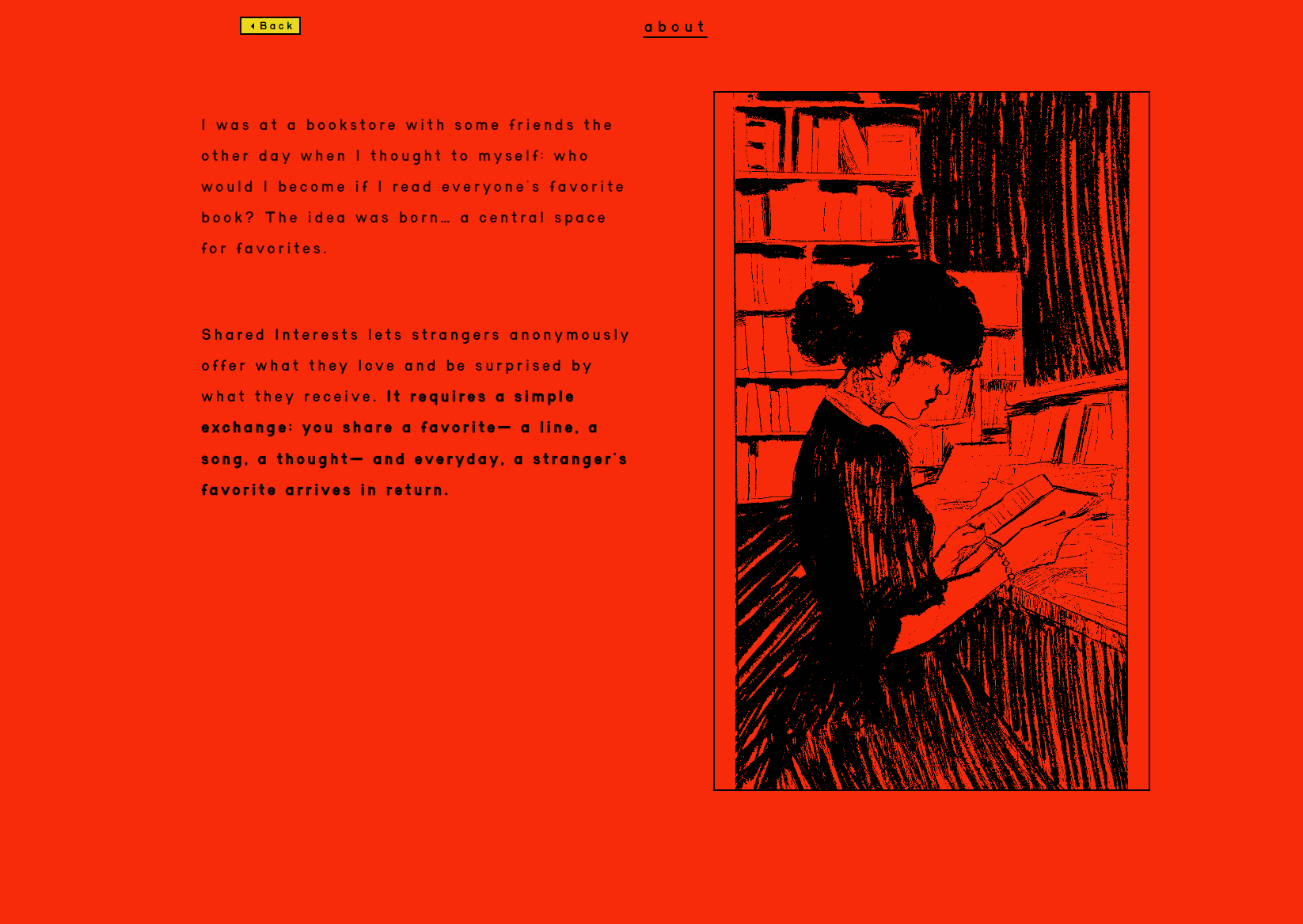
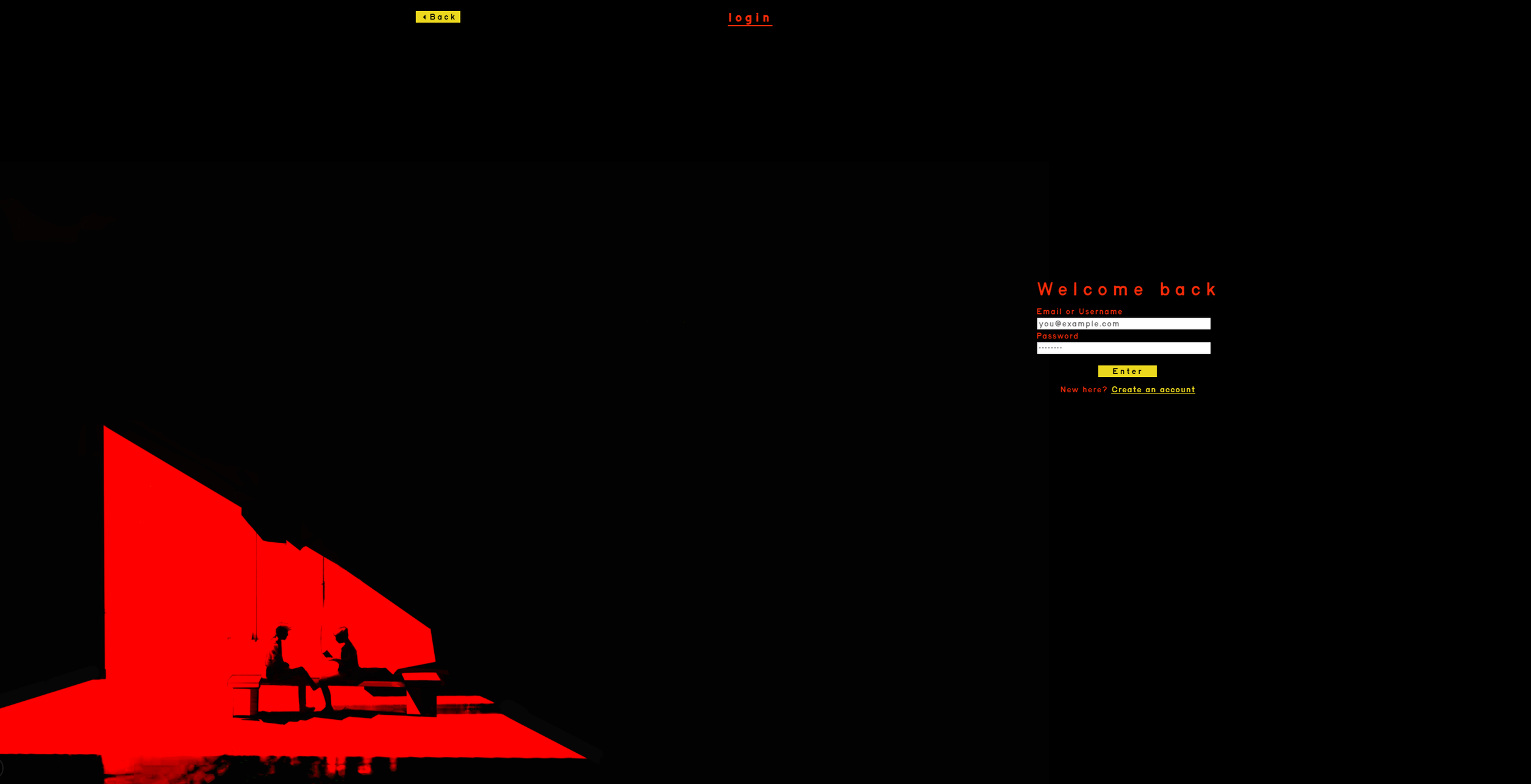
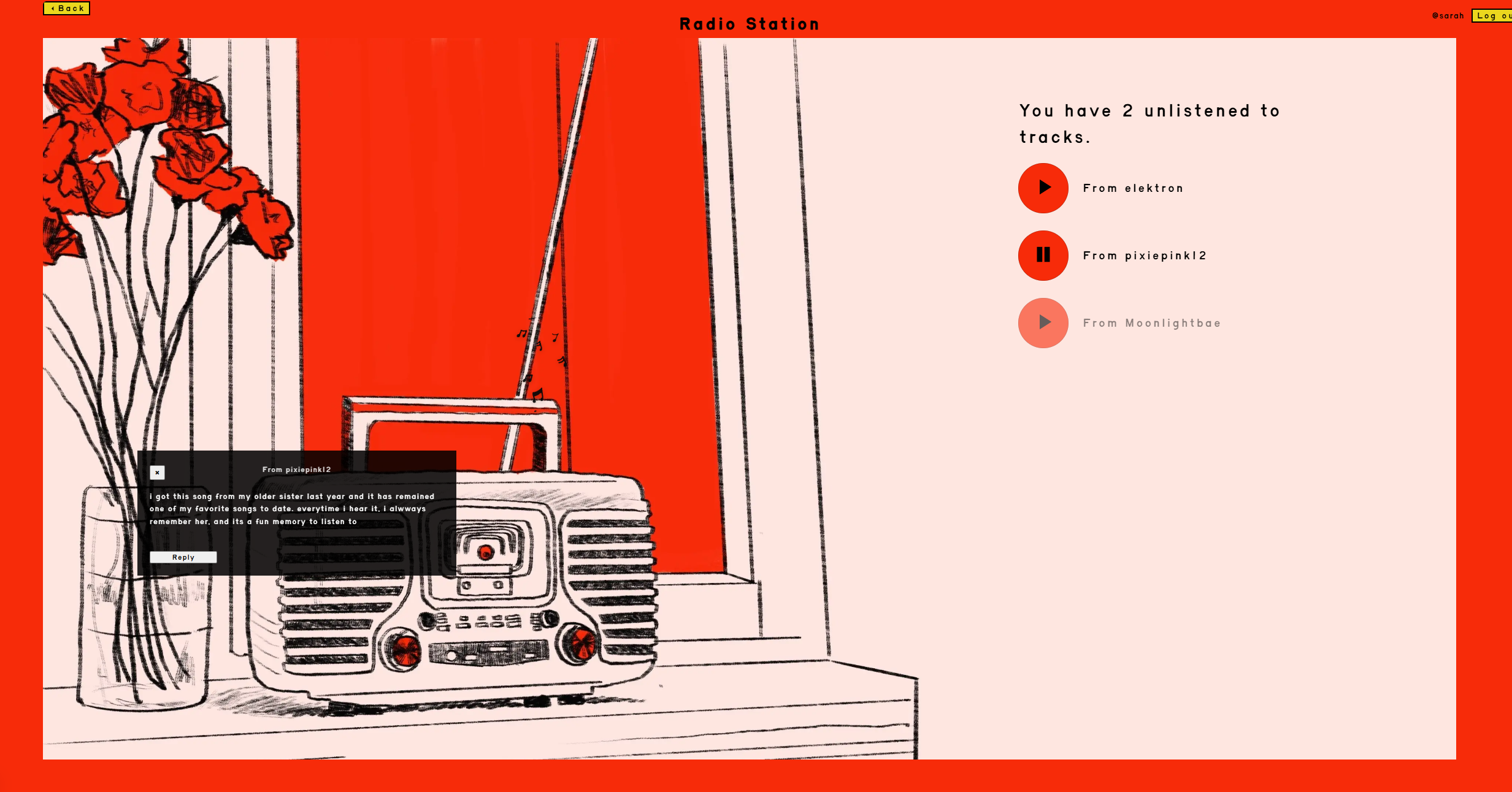
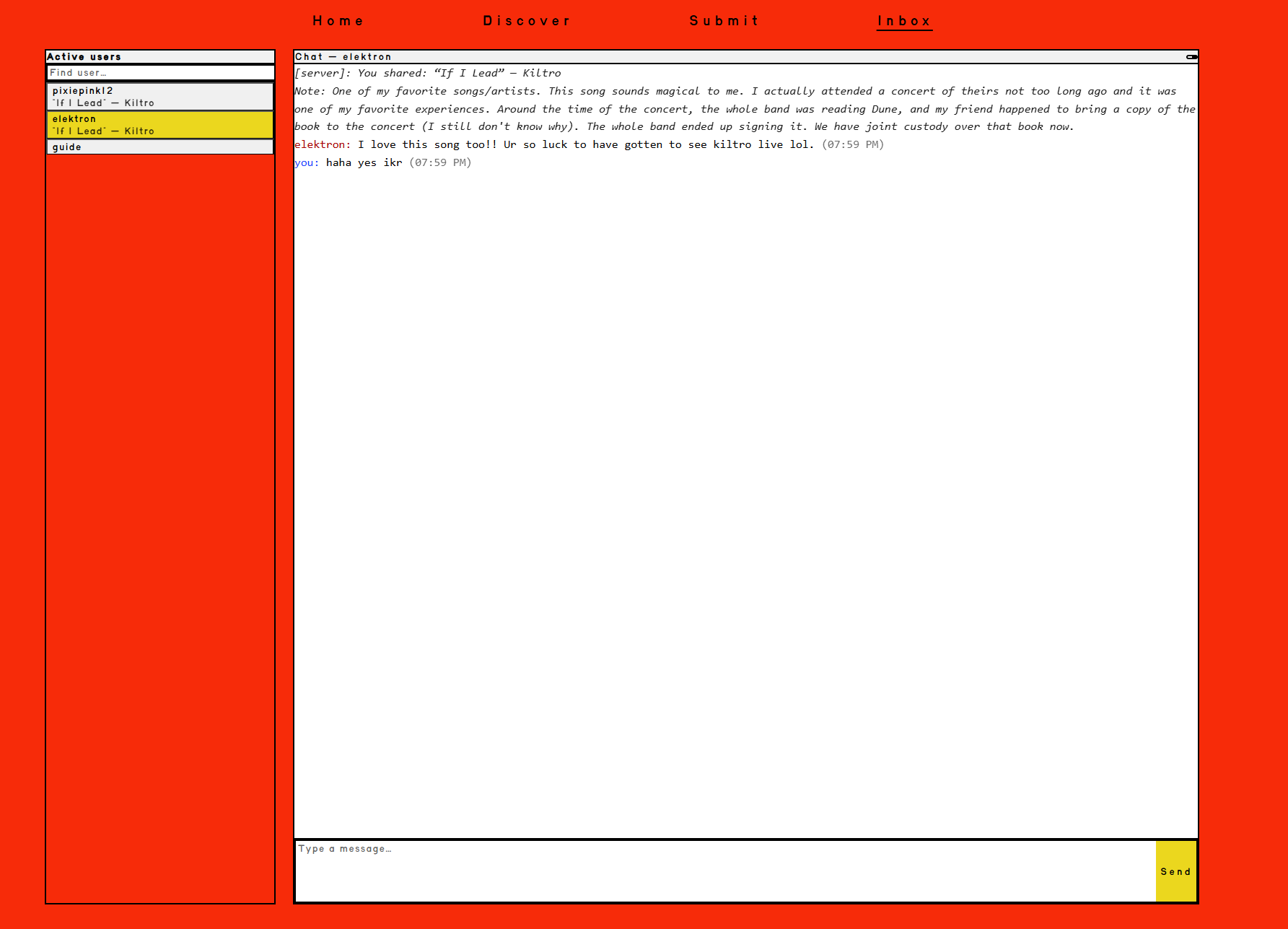
Full-Stack, web application allowing users to share their interests anonymously (and have it get sent to strangers), and in return have a stranger’s favorite sent daily.
Test user you can try out without creating an account:
email/username: elektron.elektron146@gmail.com
password: icyleopard
DOCUMENTATION:
Documentation of development process can be found HERE.
The Document Outlines:
1. Application Overview/Target Users/Value/Functionality/Full Tech Stack
2. User Interviews (Pre-design, Midway, Final interviews)
3. Design (Design Constraints/Figma Design/Original Art)
PRIMARY FRAMEWORKS:
Frontend
Next.js + React + TypeScript
Backend
Node.js
GraphQL
NextAuth.js
Nodemailer (SMTP)
Vercel Cron
Database
PostgreSQL (Neon) with Prisma ORM
LINKS:
1. Application: https://www.sharedinterests.org/






2. Startup Space - Duke Innovation and Entrepreneurship
Full-Stack, web application for Duke’s I&E department
This past year, I worked as a software developer for Duke’s Innovation and Entrepreneurship department. We were tasked to build a web application that connects Duke startup founders with students interested in contributing to a startup. I primarily led the backend development and design of the project.
DOCUMENTATION:
We used Agile development and followed the software development life cycle closely. Our team took extensive documentation throughout the development of the application, which could be found HERE.
PRIMARY FRAMEWORKS:
Backend: Django, PostgreSQL
Frontend: React
LINKS:
3. Blue Cart/Mini-Amazon Project
Full-Stack Development Project (Primarily backend/database development)
*Note: This was a project for my Databases class. The primary focus was to build and maintain a strong backend, hence why the frontend is so simple. My other projects showcase stronger frontend development (in addition to backend)
Highlights:
1. Designed, developed, and tested a scalable, Amazon-like web application with 15+ RESTful API endpoints using Flask, PostgreSQL, HTML/CSS
2. includes a PostgreSQL database schema w/ 7 interrelated tables, supporting operations for users, products, orders, reviews, carts, and inventory
3. contains advanced user functionalities, including secure authentication, dynamic cart management, order processing, and SQL-injection-proof queries
4. Utilized containerization
Read document outlining all features + details of our SQL Injection Mitigation methods Here.
Open Source

Pixar (OpenUSD)
Shipped a fix for a production regression by correcting overly strict input validation + wrote targeted unit tests for numeric input handling to preserve error cases and prevent regressions

Netflix (DGS Code Generation Plugin)
Shipped a Kotlin enhancement to Netflix’s GraphQL code generator that adds required-fields constructors when JSpecify nullability is enabled + Designed constructor-selection logic and added unit tests validating behavior across nullable and non-nullable schemas

Epic (Seismometer)
Shipped a fix to improve interpretability of ML evaluation dashboards by updating model evaluation labeling when combining scores + clarifying configurable score aggregation behavior

Salesforce (Cloudsplaining)
Built + tested a new check that flags IAM permissions which can bypass network controls via AWS managed control planes, expanding risk categorization and surfacing impacted services/permissions for clearer security visibility
Computer Graphics
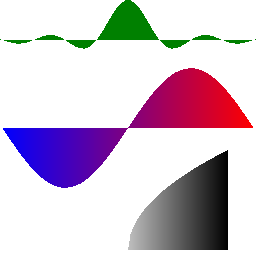
I designed and implemented a full-featured 2D graphics engine in C++ in which I:
Support affine transformations, antialiased scan conversion, path rasterization, blending modes, shaders, and texture sampling
Built custom systems for Bézier curve flattening, composable shaders, and proxy-based triangle interpolation
Created a modular rendering pipeline capable of drawing convex and concave polygons, gradient and bitmap fills, mesh textures, and triangle based geometry with support for color and texture interpolation
Developed custom shader classes (like TriColorShader, ProxyShader, CombinedShader) to enable programmable per-pixel rendering with alpha blending and compositing
Optimized performance by using forward differencing for pixel traversal, spatial clipping, barycentric math for mesh shading, and scanline-based rasterization
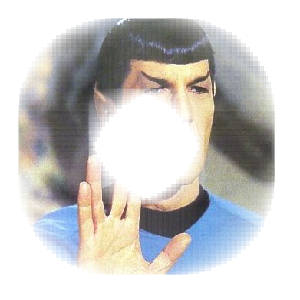
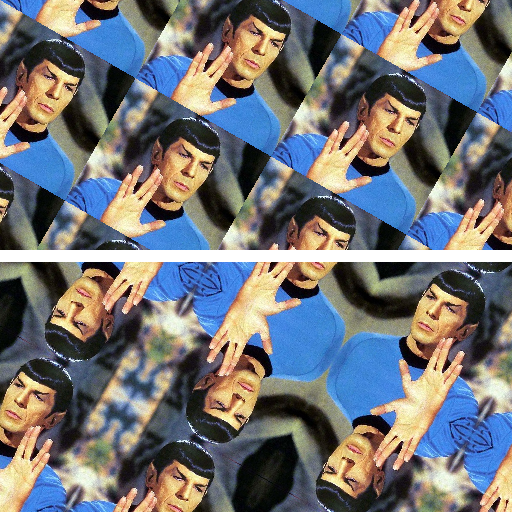
Example images made using the Engine:
Other/Teaching:
Teaching Assistant: Duke University, Graphics Software Architecture: Spring 2026
-
![]()
bitmap_hole
-
![]()
bitmap_tiling
-
![]()
blend_white
-
![]()
blendmodes2
-
![]()
cartman
-
![]()
checkers
-
![]()
color_clock
-
![]()
cubic_fan
-
![]()
grad
-
![]()
gradient_blendmodes
-
![]()
lion
-
![]()
lion_head
-
![]()
path_graphs
-
![]()
poly
-
![]()
poly_center
-
![]()
quad_clock
-
![]()
solid_ramp
-
![stars]()
stars
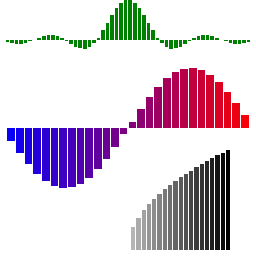
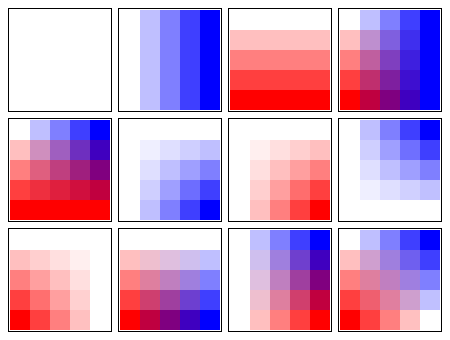

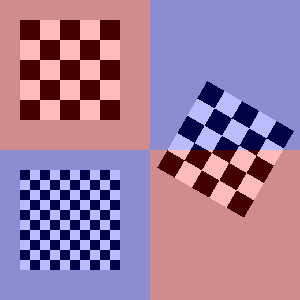



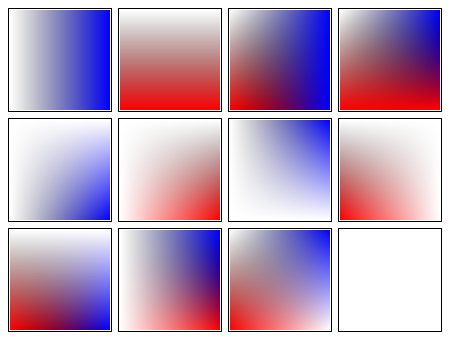







Other/NIH REVA Project
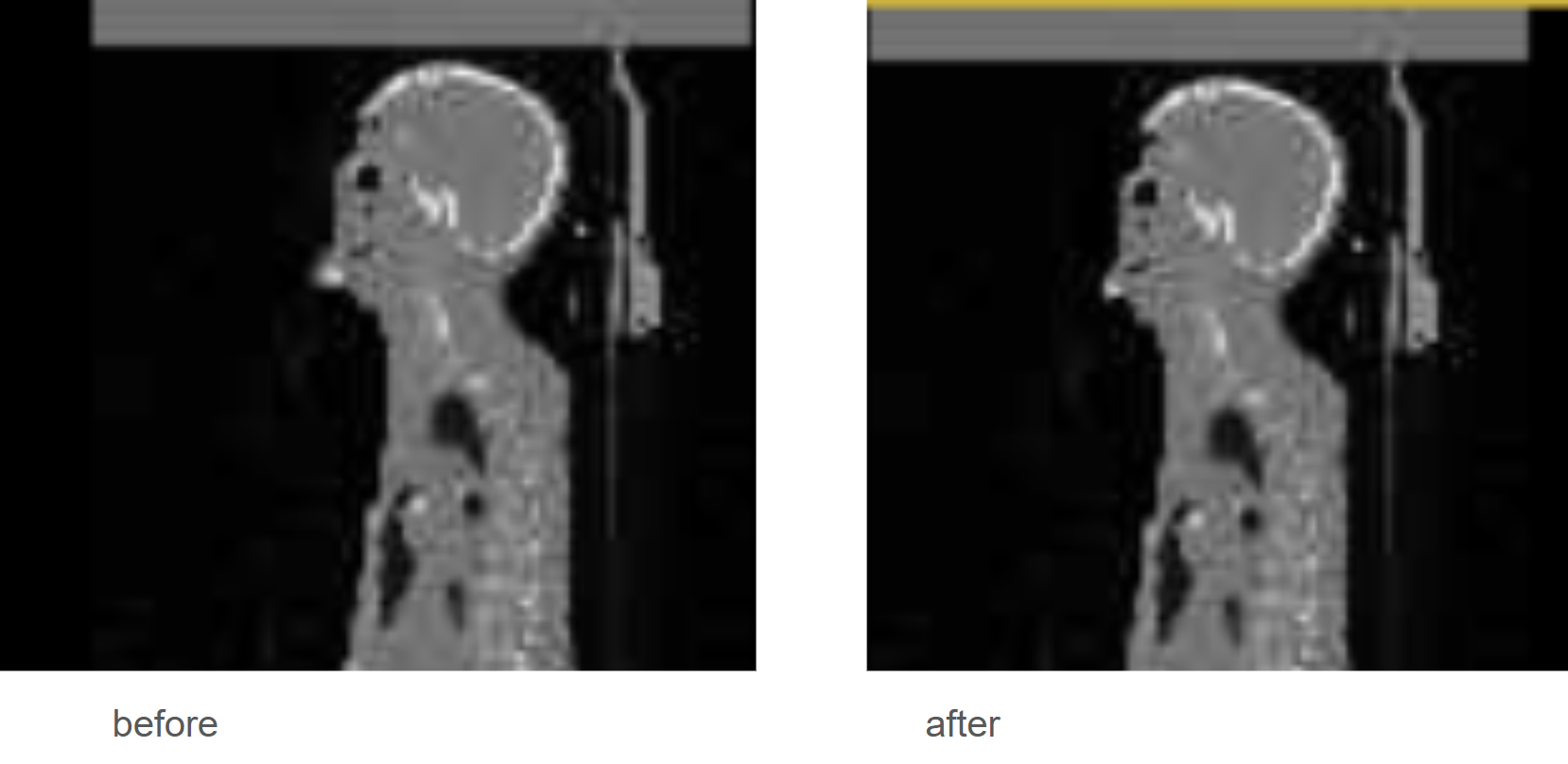
1. Automated CT Scan Defacing Tool
I built an automation pipeline in python within 3D Slicer to deface medical CT scans by applying segmentation masks and replacing facial voxels with void (-1024) values, ensuring anonymized patient data. The code programmatically identifies, modifies, and exports matched CT-segmentation pairs in bulk to compressed NIfTI format, streamlining preprocessing for HIPAA-compliant analysis pipelines.
This code will be run on all CT data for the REVA project (500+ scans) prior to being uploaded to the NIH’s database.
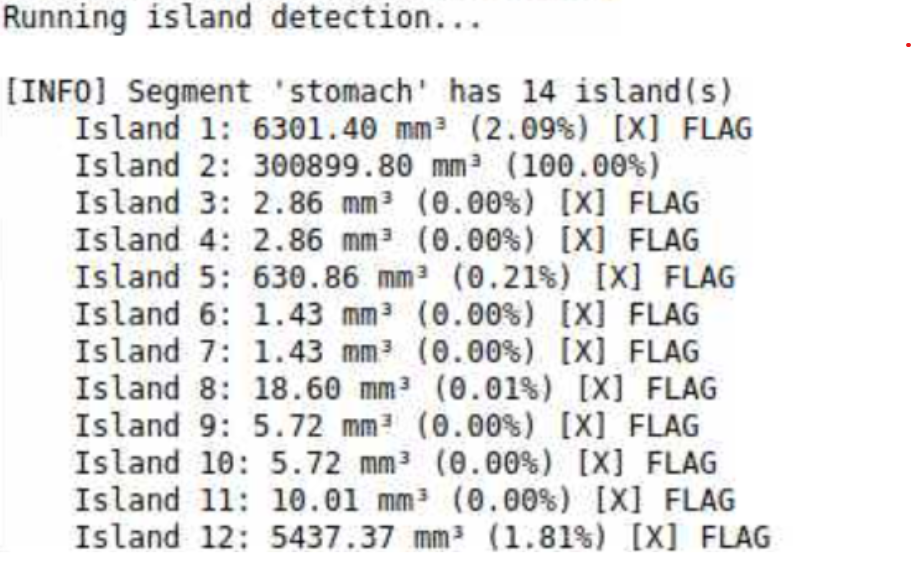
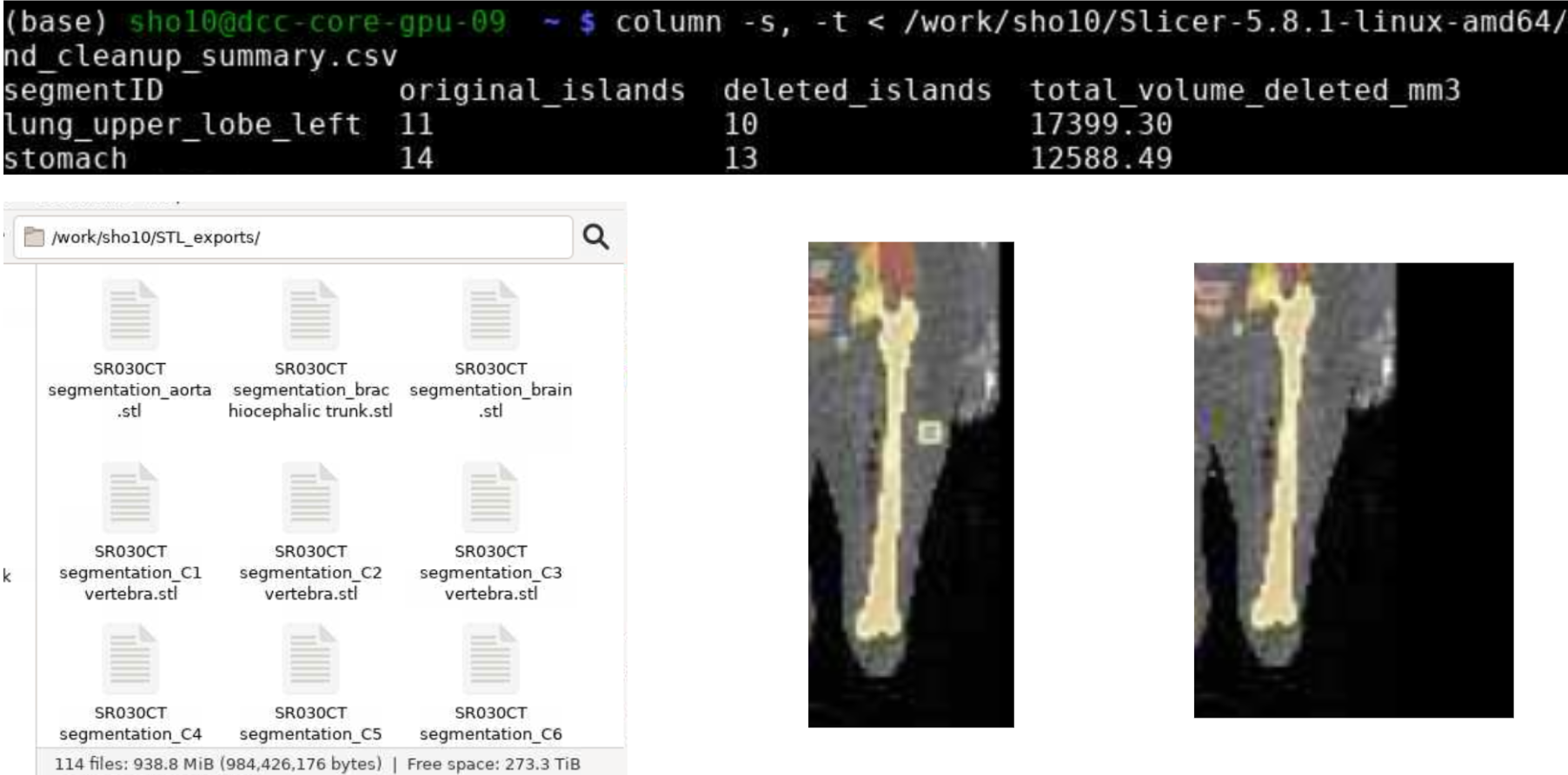
2. Medical Segmentation Cleanup Pipeline
I developed an automated pipeline to detect and remove small disconnected islands in medical segmentations using voxel based connected component analysis and volume based thresholds. The code enables both manual and auto-deletion of flagged islands via CSV review and Pandas integration + exports cleaned segmentations to NIfTI/NRRD and STL formats for 3D visualization and downstream analysis.
This code is also run on all CT scans for the project in the preprocessing stage prior to analysis.
**Update (1/2026): Dataset now published! View Here.
Game Development

1. Lights Out
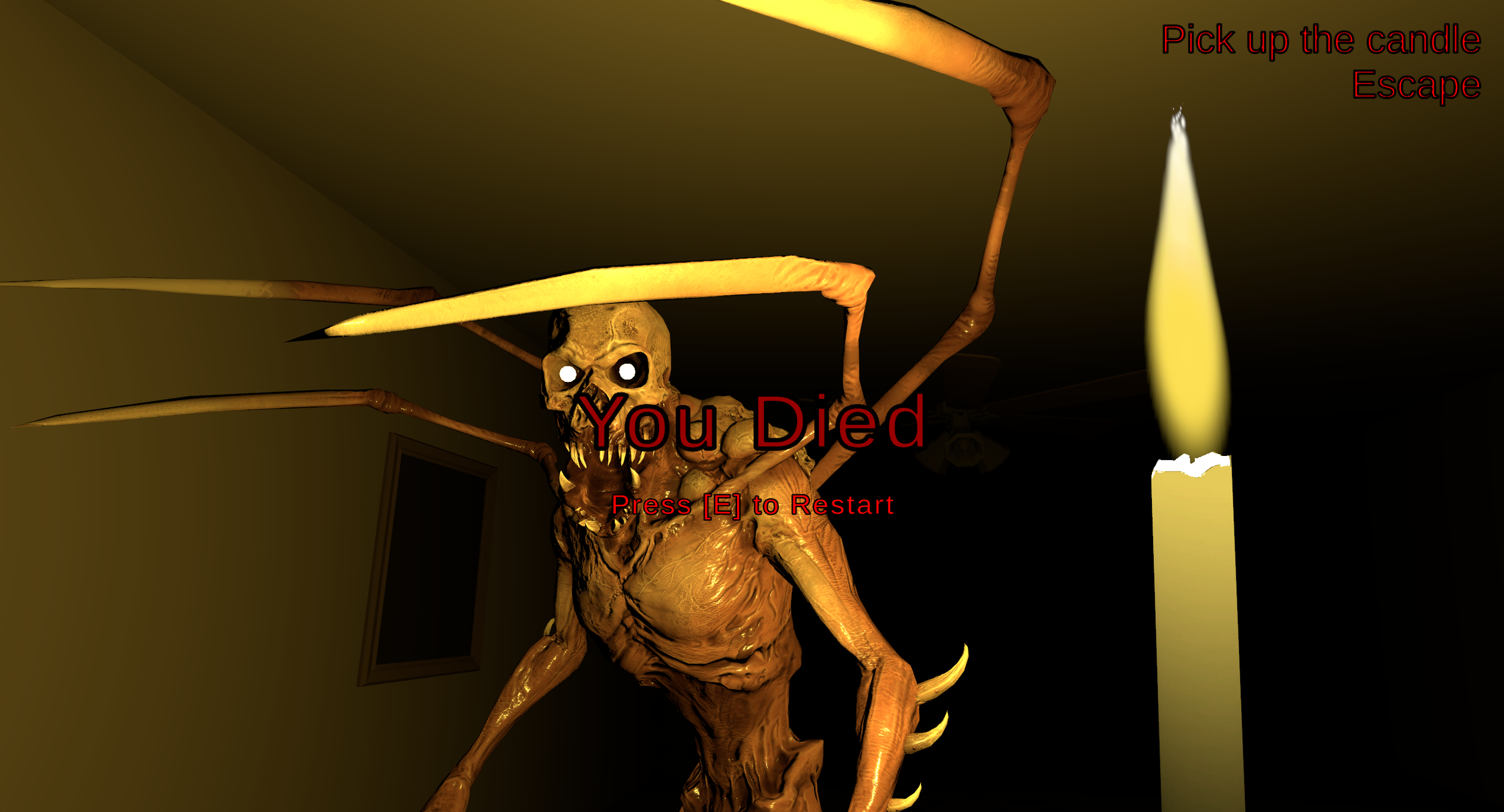
a 3D horror, story-based game made in Unity.
Download/play HERE (Mac or Windows)
Contribution: Art + coding the game AI and the various puzzles found throughout the game.